6 of 646 parts assessed. The rest wait on paperwork.
On this demo the search is a recording. Press one of the three below.
Try one
6 parts
220 places to buy them. 71 more were found and ruled out. Checked 17 September 2026.
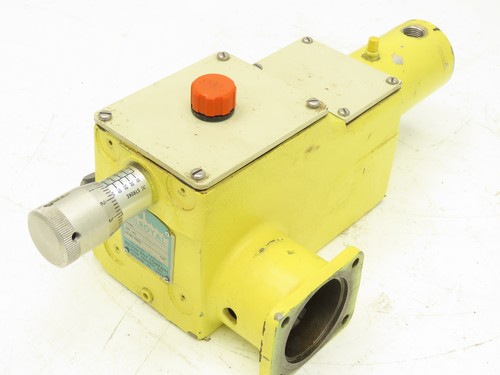
Milton Roy MDP07130CBEABRGFSE
Scale inhibitor dosing pump on the inlet separator water leg
Places to buy4
Same model fromC$441up to C$1,075
Soonest delivery10 days
See every place →
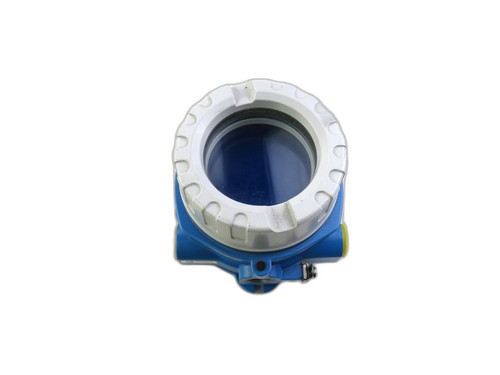
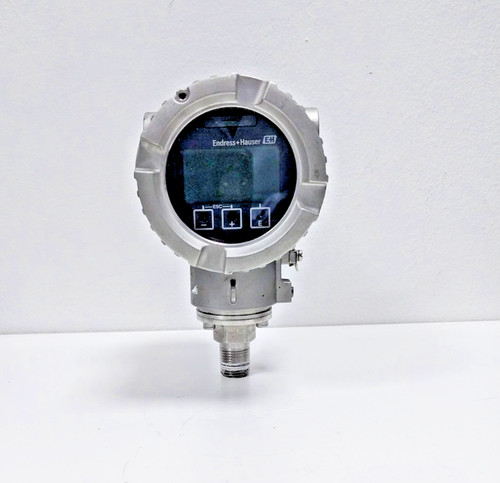
Endress+Hauser RIA14-C23B+I4Z1
Redundant local display for level transmitter 300LT-40507 on a utility water tank
Places to buy23
Same model fromC$191up to C$3,050
Soonest delivery2 days
See every place →
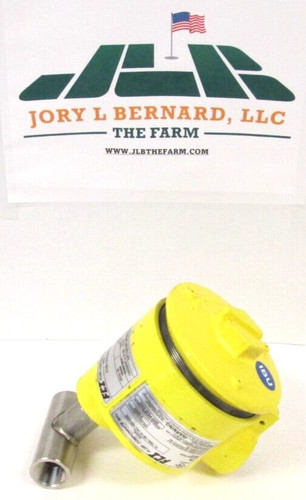
Fluid Components International FLT93L-4B1D1AC1B01000
Low flow switch on the corrosion inhibitor injection header of pumps 300P-4331A & B
Places to buy929 more ruled out
Same model fromC$296up to C$1,165
Soonest delivery3 days
See every place →
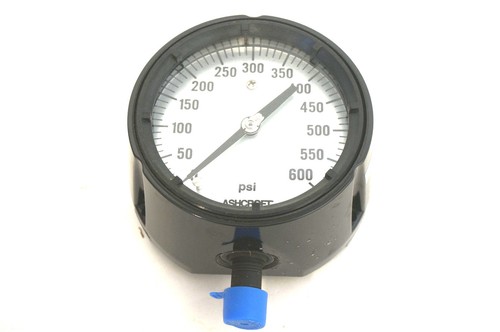
Ashcroft 45-1259SL-4462-4L-XNH
Local pressure gauge on the flare header outlet of vessel 300V-4620, sour service
Places to buy40
Same model fromC$35up to C$788
Soonest delivery3 days
See every place →
Endress+Hauser VBC1S2RDAAU1
Pressure transmitter on the condensate discharge of pumps 300P-4112A & B
Places to buy4233 more ruled out
This build fromC$411up to C$1,761same model from C$198
Soonest delivery7 days
See every place →
Westland Coolers Louver damper
Louver damper on lean amine cooler 300EM-4510B1, driven by a diaphragm actuator through a linkage
Places to buy1029 more ruled out
This build fromC$615up to C$5,945
Soonest delivery3 days
See every place →
Open a part to see every place it can be bought.
How this came about
The problem, the work, and the answer.
The problem as it came in
The client bought a plant that had sat idle for years and wanted it running again.
They had the original drawings, twenty years old, and 646 tags. For every
tag: does this part still exist, who sells it, does it meet today's Canadian standards,
and if not, what crossover will, and what work does that bring? Six tags came first, as
the proof.
What had to be worked through
Finding a part is the easy half. The hard half is the chain of gates a listing has to
pass before it can be trusted, and each one only opens if the one before it did.
The drawing gives the code. Without the plant's own order code there is
nothing to compare against, so the record is built by hand from the drawing first.
The code unlocks the maker's table. Makers publish what every character of
their code means. That table is typed in, character for character, never guessed.
The maker renamed the part. The drawing says one code and every seller says
another. The record carries the new name, so the search finds what is really for sale.
The seller's title is read, not trusted. A search engine returns tennis
racquets and toys with the same words in them. A listing only counts if the maker's
name is in its title and the code inside it reads as a real code.
Each group of the code becomes a field. The approval mark, the signal, the
thread, the range. Each is put beside the drawing and given one of four answers:
Same, Different, Not stated, Stop.
A certificate is judged on what it is, not how it is spelt. An American mark
in a Canadian area is a Stop. A Canadian mark written a different way is not.
Where the maker publishes no table, the tool says so. Three of the six makers
do not. Every card on those parts says "Nothing checked" instead of guessing.
Money only counts what passed. The price box, the count on the front page and
the sort all leave out anything the check refused, and say how many they left out.
The letter carries only what is safe to send. The supplier's message names
the model and the duty. A guard refuses any tag, building or project number, every time.
What it does now
On the six proof tags: 291 listings from 65 sellers, and
71 of them ruled out in words a buyer can check. Five answers on every tag:
does it still exist and where, what it costs, what condition it is in, how soon, and
whether it will go in, and if not, what it would take. The engineer still signs. The tool
makes sure nothing is hidden from them when they do. The other 640
tags run through the same machine.
The real one runs on a real plant with a different name. This copy is here so you can
press it.
We build custom software for real businesses. This is one job.
The client
The client bought a gas plant that had been shut down for years. They want it running
again. They have the original drawings from when it was built, about twenty years ago,
and 646 tags on the register. A crew walked every line to see what is still
there, what is broken, and what is gone. Here the client is Big Oil at Kettle
Creek. The plant is made up. The job is real, with every name changed.
The problem, in the client's words
"For every one of 646 tags we need the same answers. Does this part still
exist? If it does, who sells it, what does it cost, and how soon can we have it?
Does it meet today's Canadian ratings and standards? If it does not, is there a
crossover that will?
And if a crossover goes in, what work comes with it? Bolt for bolt? A small adapter?
Cutting and welding and a new spool? Or does it have to go to engineering first?
Nobody can answer that 646 times with three browser tabs and a phone."
What we built
A search that starts from the client's own drawing. Type the tag and it finds every
place selling that part today. Then it reads each seller's order code one group at a
time, off the maker's own published table, and puts every group beside the drawing.
It says: same part; a crossover, and what work that brings; will not go in, and why;
or nothing checked, because the maker publishes no table. It never says "fits". The
engineer signs, and now they can see every field they are signing for. The price only
counts what could go in. The letter to the supplier is already written, with nothing
from inside the plant in it.
The result
Six tags were the proof. On those six: 291 listings from
65 sellers, and 71 of them caught before anyone
bought one. Three presses for the client: open the tag, press "could go in", copy the
letter. Built and live in ten working days. The other 640 tags run
through the same machine.
You watched a twenty-year-old drawing open a code, the code open the maker's table,
and the table say which parts still exist, which meet today's standards, which are a
crossover and what work that brings, and which will not go in. Nothing was hidden from
the person who signs.
This was one job. Yours will not look like it. If you can describe the worst
job in your week, we can build it.